What cameras, power cable and recording options are included?
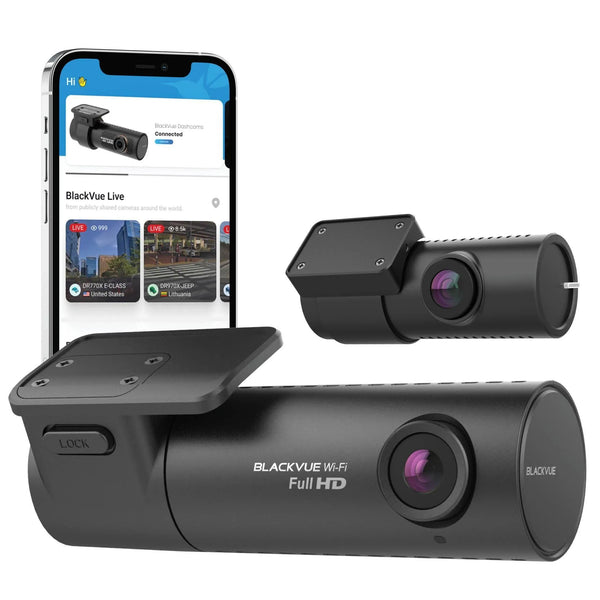
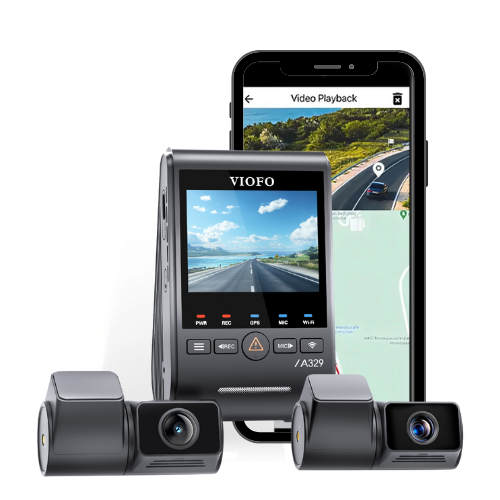
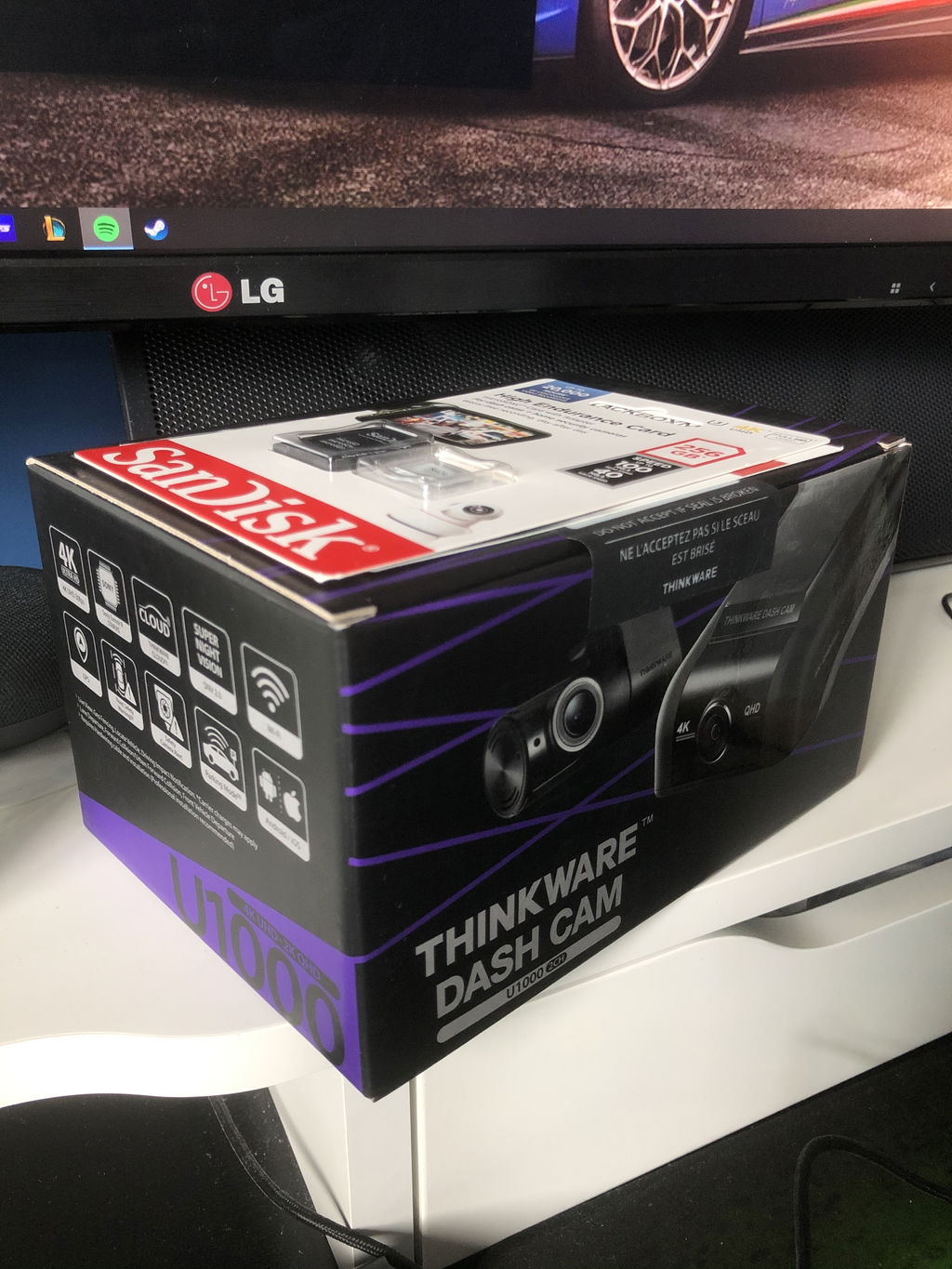
Front and rear cameras, a rear cable and an OBD-II power cable are included. A 64GB card and front CPL filter are included. The front camera does not record 4K at 60FPS. Select 4K at 30FPS or 2K at 60FPS. The rear records 2K at 30FPS in either setup.
How do HDR and Super Night Vision work?
HDR is available during continuous driving recording. Front HDR requires 4K resolution; the rear camera also supports HDR. HDR is not available for parking recording. HDR and Super Night Vision cannot operate together. Super Night Vision 4.0 can be assigned to driving, parking or both; compare saved clips after changing the setting.
Which parking modes save footage before an event?
Radar does not guarantee footage before an impact. A radar impact event can use up to ten seconds of earlier motion-detection footage when that footage exists. Radar is not a continuously running pre-impact video buffer. Motion Detection saves 20-second motion or impact clips, including ten seconds before and ten seconds after detection. Motion Detection is a separate parking option from Radar, Time Lapse and Energy Saving. Time Lapse records at 2FPS. An impact event includes 50 seconds before and after detection, compressed into a 20-second clip. Ordinary ten-minute recording periods become two-minute files. Energy Saving records for 20 seconds after impact detection. Choose an appropriate buffered mode if you need earlier activity.
What should I check before using parking recording?
Back up the recordings first. The manual warns that changing parking-mode settings deletes videos recorded under the previous settings. The OBD-II cable can support parking recording in a compatible installation. Set its vehicle and parking switches as directed before connecting it; compatibility is vehicle-specific. There is no fixed duration for every installation. Power capacity, recording mode, cutoff settings, temperature and detected activity affect runtime. A supercapacitor is not a battery for overnight recording. Thinkware warns that metallic tinted glass may reduce radar detection. Check performance after mounting the camera.
How do nearby access, LTE and the cabin camera differ?
No plan is needed for nearby DASH CAM LINK access over Wi-Fi. Remote Thinkware CONNECTED services need the separate LTE Module, compatible SIM and service plan. LTE and the cabin camera cannot operate together. They share the same accessory port. Choose LTE for a remote connection or the optional interior camera for cabin footage. The optional cabin camera does not record while parked. Its infrared cabin footage is recorded during continuous driving mode. It adds no cabin parking view and has no microphone of its own.
Which memory cards fit, and what happens in excessive heat?
The camera supports compatible UHS-I microSD cards in 64GB, 128GB, 256GB and 512GB capacities. This package includes a 64GB card. Back up important files before formatting or changing parking modes. Thermal protection can reduce recording functions or shut the camera down. The specified operating range is −10°C to 60°C; thermal protection does not make temperatures beyond that range suitable for continuous use.
What warranty and separately purchased accessories apply?
This new Thinkware dash cam has a one-year warranty. This OBD-II package does not include a separate hardwiring cable. The LTE Module, service plan, interior camera and battery pack are sold separately.
Does an OBD-II socket confirm compatibility with this package?
Check your exact vehicle before ordering. Port wiring and diagnostic standards vary, particularly on some EVs, older vehicles and commercial vehicles. A matching socket alone does not confirm that the included cable will detect driving and parking correctly. Follow its vehicle and parking-switch instructions, then test recording with the ignition on and off.