


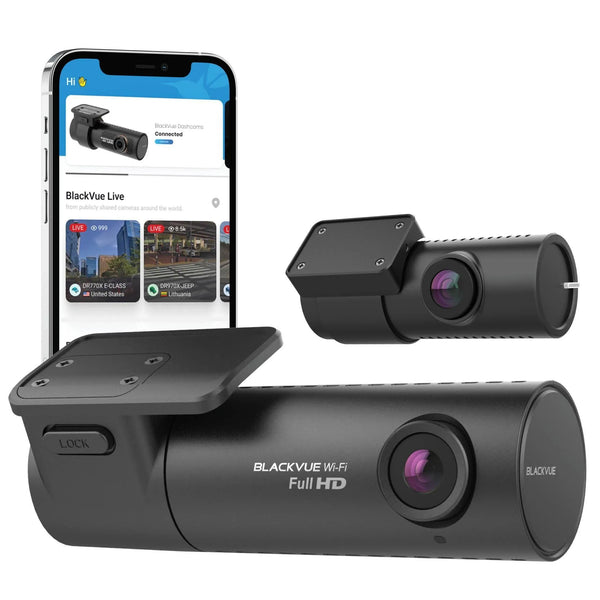


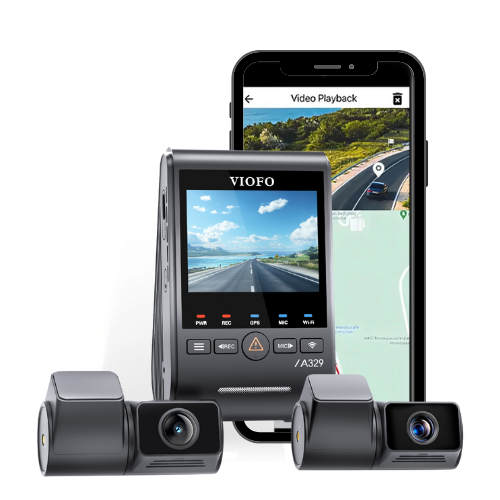


VIOFO A229 Plus 2-Channel 2K QHD Sony STARVIS 2 Dash Cam
Best for: Everyday drivers who want balanced front and rear detail
Why it fits: Dual 2K recording gives both directions useful resolution without forcing a premium cloud setup.
Shop now

TLDR: A road rage dash cam is most useful when it records the full sequence, not just the vehicle ahead. Front and rear coverage can show how an incident began, what happened behind you, and where you went to reach safety.
On July 29, 2026, KPTV reported on dash cam footage released by Beaverton Police after a road rage incident in Oregon. The victim's forward-facing camera recorded the road ahead while a rear-camera view showed another vehicle following in reverse. Police said the driver traveled in reverse for more than a mile.
The victim called 911 and drove to the Beaverton Police Department instead of going home. That choice kept the destination public and brought the incident directly to officers. The investigation was still ongoing when KPTV published its report, so the footage should be treated as evidence from a developing case, not entertainment.

A front camera can record lane position, traffic signals, braking, and the route you took. It may not show a vehicle that follows closely, blocks a rear exit, or approaches from behind. A 2-channel dash cam adds a rear view and keeps both recordings on the same system clock.
The forward view helps show that you continued toward a public destination, stopped for traffic, or changed lanes to create space. It also records hazards ahead so viewers can understand why a driver slowed or turned.
The rear channel can show whether another vehicle stayed behind you, changed position, or left the scene. That context matters because a single front clip may begin after the first interaction. A synchronized rear view fills in the part that the driver cannot safely watch.

A dash cam does not make confrontation safer. Your first task is to create distance and avoid escalating the situation. Do not stop to argue, gesture, or record with a handheld phone while driving.
Once you are parked safely, protect the original clip before loop recording can overwrite it. Use the camera's event-lock function or app, then copy the file to another device. Keep the original resolution and filename where possible. If the system records GPS or time data, preserve those files too.
Do not edit the only copy or post the footage before speaking with the investigating agency. Export a separate viewing copy if you need one. A reliable high-endurance memory card also matters because dash cams write continuously and depend on stable storage.

Start with dependable front and rear recording. Look for clear low-light footage, a manageable app or desktop workflow, high-endurance storage support, and an installation that keeps both cameras aimed correctly. Parking mode can add protection after you stop, but it requires a compatible power setup and does not replace safe driving decisions.
The VIOFO A229 Plus 2CH is a practical dual-2K option for drivers who want strong front and rear detail. The BlackVue Elite 10 2CH adds 4K front recording and BlackVue Cloud features for a more connected premium system. The Thinkware U3000 Pro 2CH combines 4K front and 2K rear coverage with advanced parking protection. Compare more current options in the Best Dash Cams guide or browse the dash cam collection.
Each model records front and rear footage. Compare image detail, connected features, parking support, and price.
Best for: Everyday drivers who want balanced front and rear detail
Why it fits: Dual 2K recording gives both directions useful resolution without forcing a premium cloud setup.
Shop now
Best for: Drivers who want 4K front detail and cloud features
Why it fits: It pairs a high-detail front view with rear coverage and a connected BlackVue platform.
Shop now
Best for: Drivers who prioritize parking protection and front and rear evidence
Why it fits: Its 4K front, 2K rear, GPS, and advanced parking features support a detailed incident record.
Shop nowIt can preserve more context. The front camera records your route and traffic ahead, while the rear camera can show following distance and activity behind you.
Avoid confrontation. Call 911 if there is an immediate threat and, when safe, continue toward a staffed public location or police facility rather than your home.
After parking safely, lock the event in the camera or app and make a second copy. Confirm that the original video, timestamp, and any GPS data were preserved.
The Beaverton footage makes more sense when the front and rear views are read together. A driver should know how to save both files, keep the originals intact, and continue toward safety instead of confronting the other vehicle.
placeholder