






Road Rage Caught on Dash Cam: What the I-70 Truck Footage Proves
Road rage caught on dash cam can help document what happened before, during, and after the confrontation. That includes lane position, brake-checking, swerving, impact risk, time, location, and whether another driver escalated the situation.
The latest example comes from a CDLLife report on an I-70 road rage incident in Wheat Ridge, Colorado. CDLLife reported that police said video showed two motorists swerving, brake-checking, stopping on the highway, and confronting each other before both drivers were charged with disorderly conduct.
That is exactly where a dash cam earns its keep. Not because road rage videos are entertaining. Because when two drivers tell two different stories, the full clip gives context.

Source video: Wheat Ridge Police Department via CDLLife/Facebook. If the embed does not load, view the source video on Facebook or the CDLLife report.
What happened in the I-70 road rage video
Road rage footage matters because it records behaviour before the confrontation, not just the final moment. According to CDLLife, the incident happened on June 10, 2026, on I-70 approaching W 32nd Avenue in Wheat Ridge, Colorado.
Police said the dash cam video showed two motorists swerving between lanes and brake-checking each other before both drivers exited their vehicles for a confrontation. With help from Lakewood Police, both drivers were later identified and charged with disorderly conduct.
The useful part is not just that the trucker's dash cam caught something dramatic. It reportedly preserved the sequence: lane movement, braking behaviour, highway stopping, and escalation. That is the difference between a vague complaint and evidence someone can actually review.

Why road rage footage is different from regular crash footage
Road rage evidence is often about pattern and intent, not only impact. A normal crash clip may show a collision in a few seconds. A road rage clip may need to show the behaviour leading up to it: tailgating, brake-checking, swerving, blocking, stopping, yelling, or following.
That is why you should preserve more than the obvious moment. A 10-second trimmed clip can miss the part that explains who escalated, who tried to avoid the situation, and whether the other driver created risk before anything physical happened.
For commuters, truck drivers, rideshare drivers, and work vehicles, this is where a reliable dash cam is not a gadget. It is a witness that does not get rattled, forget details, or argue from memory.
Practical takeaway: If a road rage incident happens, the most valuable footage may be the 60 seconds before the confrontation, not the loudest moment at the end.
What your dash cam needs to capture in a road rage incident
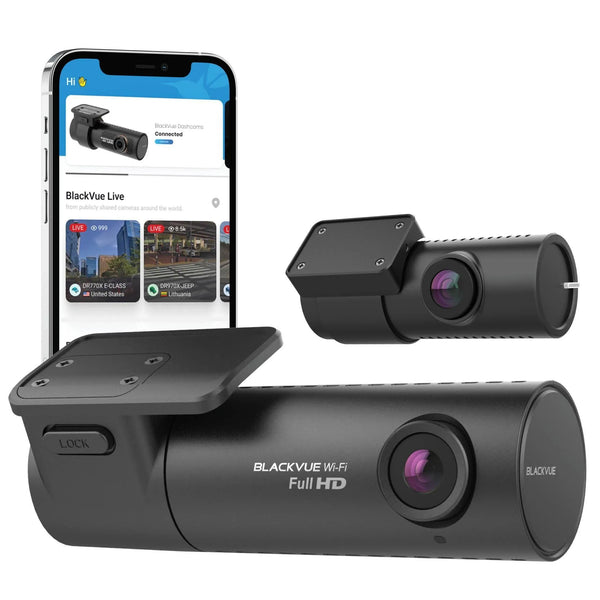
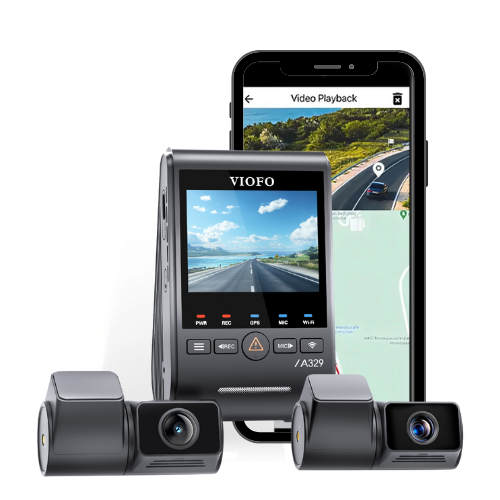
The best dash cam for road rage evidence captures clear front footage, rear context, accurate time data, and enough storage to protect the full event. Front footage is the baseline because it shows lane position, traffic flow, traffic lights, road signs, and the vehicle directly ahead.
Rear footage matters because road rage often starts behind you. A driver may tailgate, flash lights, follow too closely, or swerve around before cutting back in. That is why 2-channel dash cams are usually the smarter minimum for highway evidence.
For rideshare, delivery, fleet, and work vehicles, 3-channel dash cams can add interior or cabin context. That can help show whether you were distracted, whether a passenger was involved, or whether a confrontation moved toward the vehicle.
Look for 4K UHD clarity, strong night performance, high dynamic range, GPS/time stamps, loop recording, and high-capacity memory support. If you want longer protection while parked or while working long shifts, pair the setup with a dedicated dash cam battery pack instead of leaning on the vehicle battery.

What to do after your dash cam captures road rage
After a road rage incident, preserve the original file before you trim, share, or overwrite anything. Pull over only when it is safe, avoid engaging with the other driver, and make a quick note of the time, location, direction of travel, vehicle description, and what happened.
Most dash cams use loop recording, which means older clips can eventually be overwritten. Lock the file in the app or camera, remove the memory card if needed, and make a backup before sending anything out.
If police or insurance ask for the footage, share the original or a complete copy through the proper channel. Keep the clip before and after the visible incident so the reviewer can see context. If you need help setting up retrieval, storage, or installation, BlackboxMyCar's dash cam installation team can help make the system easier to use before you need it.

Best dash cam setups for road rage evidence
The best dash cam setup for road rage evidence depends on how much context you need to capture. A premium 2-channel system is ideal for most daily drivers. A connected Cloud/LTE setup fits drivers who want remote access. A 3-channel setup is strongest when cabin or passenger context matters.
These are three strong BlackboxMyCar options for road rage evidence, highway commuting, and disputed driving incidents.


If you are still comparing options, start with the best dash cams guide, then narrow it down by the type of evidence you care about most. Front and rear coverage is the cleanest starting point. Cloud access and interior context are worth adding when your driving situation demands it.
Road rage dash cam FAQ
Can dash cam footage help in a road rage report?
Yes. Dash cam footage can help document lane position, swerving, brake-checking, stopping, time, location, and driver behaviour before and after a confrontation.
Should I post road rage dash cam footage online?
Usually, preserve the original file first and report safely before posting. Public posting can remove context or complicate an insurance or police process.
Is a front-only dash cam enough for road rage evidence?
A front-only dash cam is better than no footage, but a 2-channel or 3-channel setup captures more context when aggressive driving happens beside, behind, or inside the vehicle.
Bottom line: road rage evidence is not about chasing viral clips. It is about protecting yourself when the story gets messy. A premium dash cam from BlackboxMyCar gives you a cleaner record of what happened, and that is what matters when police, insurance, or your employer need the facts.