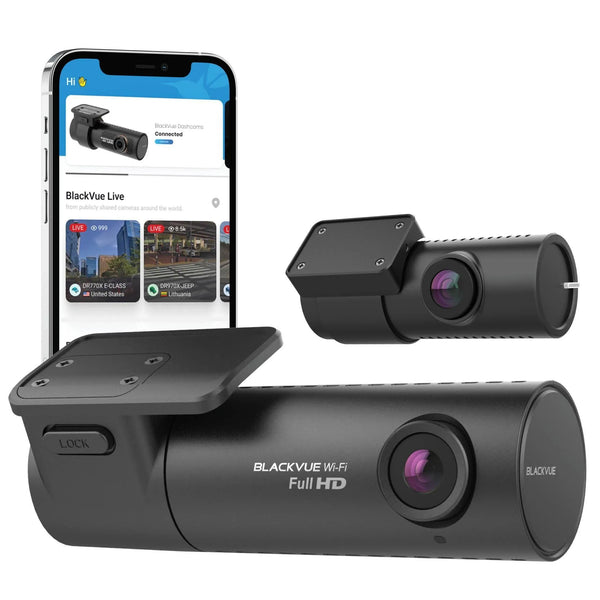
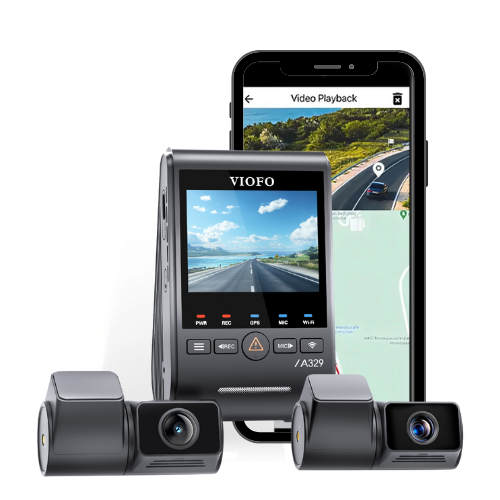
Both cameras connect to your phone via WiFi. But the A329S uses WiFi 6, while the A229 Pro uses standard 5GHz WiFi.
The practical impact? The A329S transfers data about three times faster. If you need to download footage quickly after an incident, you're waiting minutes instead of waiting longer. If you regularly review videos or share clips, this adds up fast.
Data transfer speeds tell the story: A229 Pro at ~20MB/s via WiFi vs A329S at ~55MB/s via WiFi 6 or USB 3.0. That might sound small, but when you're downloading 5 minutes of 4K video, you'll feel the difference, especially if you use the USB 3.0 cable option on the A329S for direct computer transfers, which gets you data even faster.
But here's where storage becomes the real game-changer.
Both cameras support microSD cards up to 512GB, so they're equal on that front. But the A329S offers something the A229 Pro doesn't: external SSD support. You can connect up to 4TB of additional storage to the A329S via an external SSD. Translation? Instead of worrying about overwriting footage or manually deleting old clips, you get weeks of continuous 4K recording without gaps.
For rideshare drivers doing long shifts, for road-trippers documenting cross-country drives, or for anyone who parks their car for extended periods and wants to keep every frame, that SSD capability changes everything. You're not constrained by card capacity. You're not juggling files. You just keep recording.
The A229 Pro maxes out at 512GB of microSD storage. The A329S offers 512GB microSD plus up to 4TB SSD. That's roughly eight times more total capacity.