






Dash cam insurance fraud cases are ugly because the first story is not always the true story. A recent California case makes the point clearly: one driver filed a claim saying he had been rear-ended while stopped in traffic, but the semi-truck's dash cam footage told investigators something very different.
According to Insurance Journal, Kenneth Pham Tran of San Jose filed an insurance claim after a crash involving his white Jeep Wrangler Rubicon and a semi-truck. His claim said he was stopped in traffic when the truck hit him from behind, and that the truck driver refused to stop and exchange information.
Then the evidence changed the story. A witness had called 911 to report the Jeep driving recklessly, swerving between lanes, and brake checking the semi-truck. Investigators obtained the truck's dash cam footage, which supported the witness account and showed Tran had initiated the road rage incident. Tran was later found guilty of felony insurance fraud, felony vandalism, and reckless driving.

What happened in the California case
The reported claim was simple: the Jeep was stopped, the semi-truck rear-ended it, and the truck driver allegedly left without exchanging information. That is exactly the kind of claim that can sound straightforward if all anyone has is vehicle damage and one driver's version of events.
The witness account complicated that story fast. The 911 caller reportedly said the white Jeep Wrangler Rubicon had been swerving in and out of lanes to keep the semi-truck behind it, then braking repeatedly before the collision.
Investigators then reviewed the semi-truck's dash cam footage. The video supported the witness and showed Tran initiated the road rage incident after he felt the truck had cut him off. A jury found him guilty of one count of felony insurance fraud, one count of felony vandalism, and one misdemeanor count of reckless driving. He was sentenced to 60 days in county jail, two years of probation, and ordered to pay over $4,000 in restitution.
This is not legal advice. It is a practical driving lesson: when a crash turns into a story contest, video evidence can matter more than confidence.
Why dash cam footage matters after a crash
Dash cam evidence gives police, insurers, lawyers, and drivers a clearer record of what happened before, during, and after an incident. It does not guarantee a claim outcome, but it can make a messy claim easier to review.
Photos can show damage. They usually cannot show lane position, traffic flow, braking, timing, road rage behaviour, or whether a vehicle moved before impact. That missing context is where insurance claim evidence often gets thin.
In a dash cam insurance fraud investigation, those missing seconds can be the difference between a claim that sounds believable and a claim that falls apart. Video can show whether the story matches the road, the traffic, and the driver's actions.
A reliable dash cam can capture the seconds that matter. It may show whether you were moving or stopped, whether another driver cut in, whether a light was red or green, whether someone left the scene, or whether the other driver's claim lines up with the road.
That is why dash cam footage is useful for more than dramatic internet clips. It can help with accident evidence, auto insurance fraud disputes, road rage evidence, parking-lot incidents, and commercial liability reviews.

Brake checking makes rear-end claims harder to judge
Brake checking is when a driver suddenly brakes to intimidate, punish, or provoke the vehicle behind them. It can make rear-end crashes much harder to judge without footage because the damage pattern may still look like a normal rear-end collision.
That is the uncomfortable part. Rear-end damage alone does not always explain why the crash happened. A driver may have been following too closely, but another driver may also have cut in, swerved, or braked aggressively. Without a recording, everyone is stuck reconstructing the event from memory, damage photos, and whatever witnesses are available.
A brake checking dash cam clip can show the lead-up: lane changes, following distance, sudden braking, traffic speed, and whether the braking made sense for the road conditions. It can also help show whether a rear-end claim is missing the most important part of the story.
If you are ever involved in a crash, preserve the original file. Do not trim the clip down to only the impact. Save the full sequence before and after, because the boring seconds usually carry the useful context.

Why front and rear coverage is stronger for insurance protection
A 2-channel dash cam records the road ahead and behind your vehicle, which makes it a stronger baseline for insurance protection than front-only coverage. Front-only footage is still useful, but not every problem happens in front of your windshield.
Rear cameras matter for rear-end crashes, tailgating, hit-and-runs from behind, lane-change disputes, road rage escalation, and parked-car impacts. If another driver is pressuring you from the rear, a front camera may miss the behaviour that explains the crash.
That is why most drivers shopping for a dash cam for liability should start with a 2-channel dash cam. A front and rear dash cam gives the reviewer more context and fewer blind spots.
Front-only cameras are fine for some budgets and basic recording needs. But if the goal is the best dash cam for insurance protection, a 2-channel setup is the smarter default.

Personal drivers and fleets both need evidence
Personal drivers and commercial fleets need dash cam evidence for the same reason: liability gets expensive when the facts are unclear. The difference is scale.
For a personal driver, one unclear crash can mean a denied claim, a rate increase, a deductible fight, or a long back-and-forth with an insurer. For a fleet, one unclear event can involve vehicle downtime, driver discipline, legal exposure, cargo delays, and a commercial insurance review.
A personal dash cam gives everyday drivers a record of the road. A commercial dash cam or fleet dash cam setup gives businesses a way to review incidents across drivers and vehicles. In both cases, the camera is not there to argue. It is there to record.
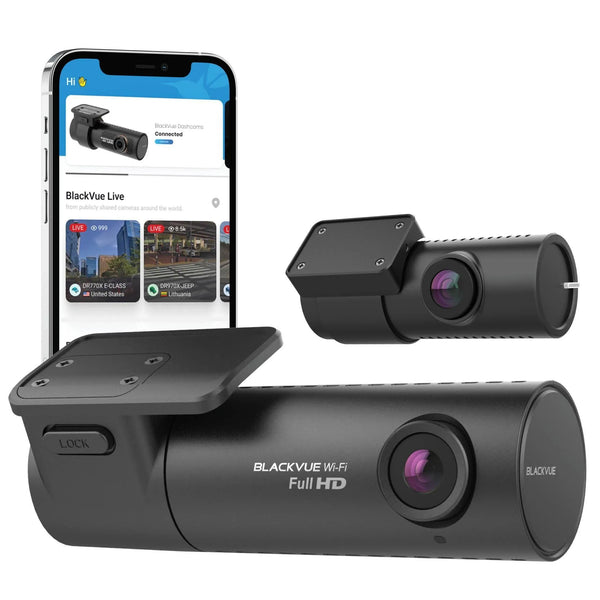
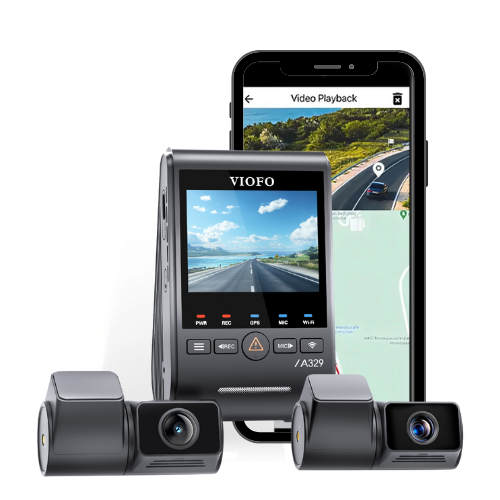
BlackboxMyCar carries practical options across Thinkware, VIOFO, and BlackVue, so the right setup depends on the vehicle, budget, parking needs, and whether Cloud features matter.
Recommended dash cams for insurance protection
The best dash cam for insurance evidence is usually a front and rear setup with clear video, dependable storage, and a power setup that matches how you drive and park. These three 2-channel options are strong picks for different buyers.


Dash cam insurance fraud FAQ
Can dash cam footage help with an insurance claim?
Yes. Dash cam footage can help with an insurance claim by showing timing, lane position, braking, traffic flow, road conditions, and what happened before or after a crash. It does not guarantee the outcome, but it can give the reviewer better evidence than memory alone.
Is a front dash cam enough for insurance protection?
A front dash cam is better than no camera, but it is not the strongest setup for insurance protection. A front and rear dash cam is usually better because it can record rear-end crashes, tailgating, and vehicles that approach or leave from behind.
Can a dash cam help prove brake checking?
Yes, a dash cam can help show whether a driver cut in, swerved, or braked suddenly before a rear-end crash. A 2-channel dash cam is even stronger when the behaviour behind your vehicle matters too.
Do dash cams prevent insurance fraud?
Dash cams do not prevent insurance fraud by themselves. They can discourage dishonest claims and provide evidence when a claim does not match what happened on the road.
What is the best dash cam for insurance evidence?
For most drivers, the best dash cam for insurance evidence is a reliable 2-channel setup with clear front and rear video, strong night performance, dependable storage, and proper parking mode if the vehicle sits outside often. It is also the better starting point for dash cam insurance fraud protection because it records more of the incident. Start with BlackboxMyCar's Best Dash Cams guide or browse the full dash cam collection guide.
The bottom line
A crash can become a story contest fast. Clear video gives drivers a better shot at proving what actually happened, especially when the claim involves brake checking, road rage, hit-and-run behaviour, or disputed liability.
If your goal is real insurance protection, start with a 2-channel dash cam. Then use BlackboxMyCar's Best Dash Cams guide to pick the right model for your vehicle, budget, and parking needs.