


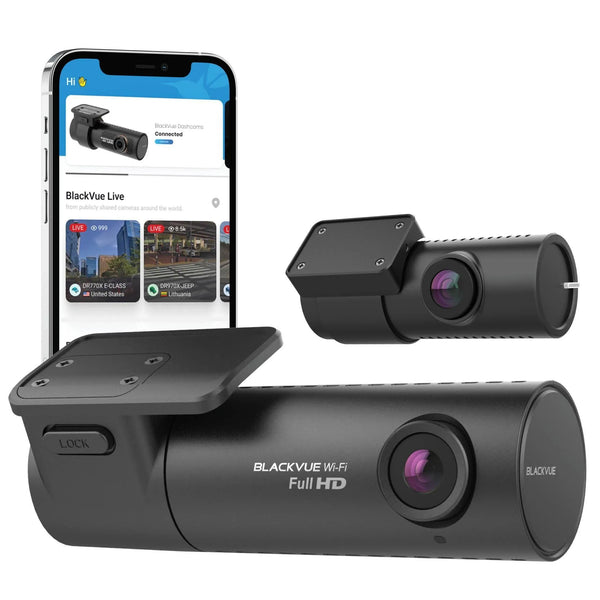


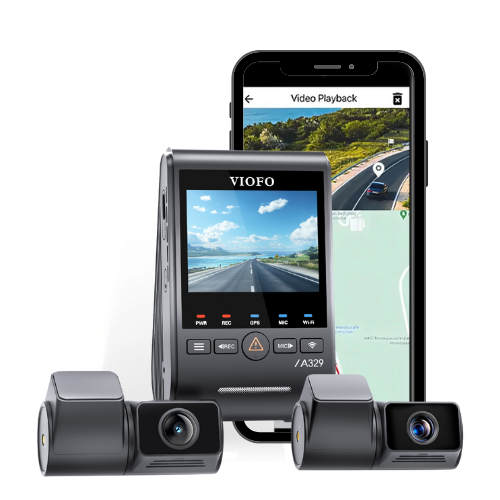


Short answer: connected dash cam features are useful, but they should not drive the whole purchase decision. Most shoppers should start with video quality, parking-mode reliability, power setup, clean installation, app usability, warranty, and support. LTE only matters if you actually need remote alerts or cloud access while you are away from the vehicle.
CEoutlook reported Firstech's Drone XC2 LTE dash camera announcement as a connected-vehicle story built around LTE alerts, app monitoring, cloud video, parking incidents, insurance disputes, and phone-based vehicle security. That is the hook here. It shows where the dash cam market is heading.
But the buying advice is different. Shoppers should not buy a dash cam just because the app pitch sounds futuristic. A connected dash cam still has to be a good dash cam first.

BBMC take: LTE and cloud alerts can be genuinely useful. They are not a shortcut around clear footage, reliable parking mode, proper power, and a clean install.
Why connected dash cams are getting attention
Connected dash cams are getting attention because they solve a real anxiety: what happens when your vehicle is parked and you are not there?
LTE alerts, app monitoring, cloud clips, GPS location, and remote access all sound good because they make the dash cam feel less passive. Instead of discovering damage later, the pitch is that your phone can tell you when something happens.
That matters for street parking, workplace lots, apartment garages, family vehicles, rideshare vehicles, and anyone dealing with parking-lot hits or insurance headaches. The source story also points to a bigger trend: dash cam brands are selling security and evidence, not just road footage.


LTE dash cam vs Wi-Fi dash cam
An LTE dash cam uses a cellular connection for remote features. Depending on the system, that can include impact alerts, live view, cloud uploads, GPS location, push notifications, and remote video access when you are away from the car.
The catch is the monthly cost. LTE features often require a cellular data plan or subscription. That does not make LTE bad, but it does mean you are not just buying the camera once. You may also be signing up for another recurring bill, and nobody loves being locked into monthly payments for a feature they only use once in a while.
A Wi-Fi dash cam connects directly to your phone when you are near the vehicle. Wi-Fi is usually for setup, settings, live view, clip downloads, and reviewing footage through the app. It is simpler, cheaper, and enough for most drivers.
Who should consider LTE?
LTE makes sense if the vehicle is parked in public for long stretches, used by multiple drivers, used for work, parked away from home, or tied to a security setup where remote alerts are worth paying for. It also makes sense only if you are comfortable with extra setup, cellular coverage limits, and the possibility of an ongoing subscription or data-plan cost.
Who probably does not need LTE?
Most daily drivers do not need LTE. If your main goal is clear road footage, front and rear coverage, reliable parking protection, and easy app access when you are near the car, a strong Wi-Fi dash cam is usually the better buy. You pay once for the hardware, then put the extra budget toward better video quality, a cleaner install, a high-endurance memory card, or a battery pack.
That is why the VIOFO A229 Plus and VIOFO A229 Pro are still smarter recommendations for many shoppers. You get strong core evidence features without paying for remote monitoring you may barely use.

What matters more than app hype
A slick app cannot rescue weak footage. Before chasing cloud features, check the basics that decide whether your footage will actually help after a crash, parking impact, theft attempt, or insurance dispute.
Image quality: clear licence plates, lane position, traffic lights, road signs, night footage, and exposure changes matter more than a long feature list.
Parking-mode reliability: a parking mode dash cam needs stable power, proper settings, and useful event detection. Parking mode is not just a checkbox.
Heat tolerance: dash cams sit behind glass. Cheap cameras with weak thermal design can shut down, fail early, or become unreliable in summer heat.
Clean installation: camera angle, rear cable routing, fuse selection, voltage cutoff, and battery-pack placement all affect how well the system works day to day.
Support and warranty: you want help with product fitment, firmware, app setup, wiring, and parking-mode troubleshooting. That is where buying from a dash cam specialist matters.
Parking mode basics: hardwire kit vs battery pack
If you want the best dash cam for a parked car, power matters as much as the camera.
A hardwire kit connects the dash cam to the vehicle fuse box so it can run after the car is off. A proper kit uses voltage cutoff protection so the camera does not drain the starter battery too far.
A dash cam battery pack charges while you drive, then powers the dash cam separately while parked. This is the cleaner path for longer parked coverage, newer vehicles with sensitive electrical systems, leased cars, and shoppers who do not want parking mode leaning on the vehicle battery.
For longer parked coverage, compare dash cam battery packs or start with the BlackboxMyCar PowerCell 8.
Three BBMC setups worth considering
If the connected dash cam story got your attention, use it as a buying prompt, not a buying shortcut. These three setups cover the clearest BBMC paths: front and rear value, premium 4K UHD evidence, and long parking protection.


Want to compare the full lineup first? Browse VIOFO dash cams for high-value front and rear setups before stepping into premium cloud or battery-pack accessories.
When a premium non-LTE dash cam is smarter
A premium non-LTE dash cam is often the smarter buy when you care more about clean evidence than remote alerts. If you drive daily, park at home, and mostly need footage after a road incident, LTE can be extra cost without much extra value.
That money may be better spent on 2-channel coverage, a better front sensor, a cleaner rear camera install, a high-endurance memory card, or a dedicated battery pack.
In plain English: buy the setup that solves your real use case. Do not pay for cloud features just because the marketing sounds futuristic.
BBMC product pathways
Best value front and rear: choose the VIOFO A229 Plus for strong 2K QHD front and rear coverage, Sony STARVIS 2 performance, and practical app access without overbuying.
Premium 4K front and rear: choose the VIOFO A229 Pro when sharper 4K UHD front detail matters for road signs, licence plates, and higher-quality evidence.
Premium cloud and app ecosystem: shop the BlackVue DR970X series if you want a mature premium app and cloud-focused dash cam ecosystem.
Low-power parking mode focus: shop Thinkware, especially the Thinkware U3000, if parked protection and low-power parking features are top priorities.
Long parking protection: add the BlackboxMyCar PowerCell 8 when the goal is longer parking coverage without leaning on the vehicle battery.
Start with the setup, not the buzzword.
Compare dash cams, review parking mode, and pick the power setup that matches how and where your vehicle is actually parked.
FAQ
What is a connected dash cam?
A connected dash cam uses app-based features, Wi-Fi, LTE, or cloud services to make setup, alerts, footage access, or remote monitoring easier.
Do I need an LTE dash cam?
You should consider an LTE dash cam if remote alerts, cloud access, or checking on the vehicle while away matters enough to justify the extra cost, setup, and possible monthly subscription or data plan. Most daily drivers are fine with a strong Wi-Fi dash cam.
Is Wi-Fi enough for a dash cam with app access?
Yes. Wi-Fi is enough for setup, settings, live view near the vehicle, and downloading clips to your phone.
What is the best dash cam for parked-car protection?
The best setup combines a reliable parking mode dash cam, clean installation, and the right power source. For long parked coverage, pair the dash cam with a battery pack like the BlackboxMyCar PowerCell 8.
Should I buy based on cloud features?
No. Cloud features can be useful, but image quality, parking-mode reliability, heat tolerance, installation, warranty, and support should come first.